Woqod Car Wash vs. Mobile Hand Wash: Which Is Safer for Your Car’s Paint in Doha?
If you drive in Doha, you’ve probably used a Woqod station for more than just fuel. Woqod’s auto care centres are genuinely convenient — you can get a wash, an oil change, tyres, and minor repairs done in one stop, with basic washes starting from around QAR 30. For a lot of people, that’s a perfectly reasonable way to keep a car clean. This isn’t about telling you Woqod is bad. It’s about understanding what actually happens to your paint depending on how a car gets washed, so you can choose based on what matters to you.
How automatic car washes affect paint
Most automatic tunnel or rollover car washes — at Woqod stations or anywhere else — use rotating brushes or cloth strips to scrub the car as it passes through. The catch is that those brushes touch every car that comes before yours, and they pick up grit, sand, and road dirt along the way. Over repeated washes, that trapped debris acts almost like fine sandpaper against the clear coat, which is how automatic washes build up faint swirl marks and micro-scratches over time — even if no single wash looks like it did any damage. If a station offers a touchless mode (high-pressure water and detergent, no physical contact), that risk mostly goes away, since there’s nothing scrubbing the surface. If you’re not sure which type a station uses, it’s a fair question to ask before you pull in.
Is hand washing automatically safer?
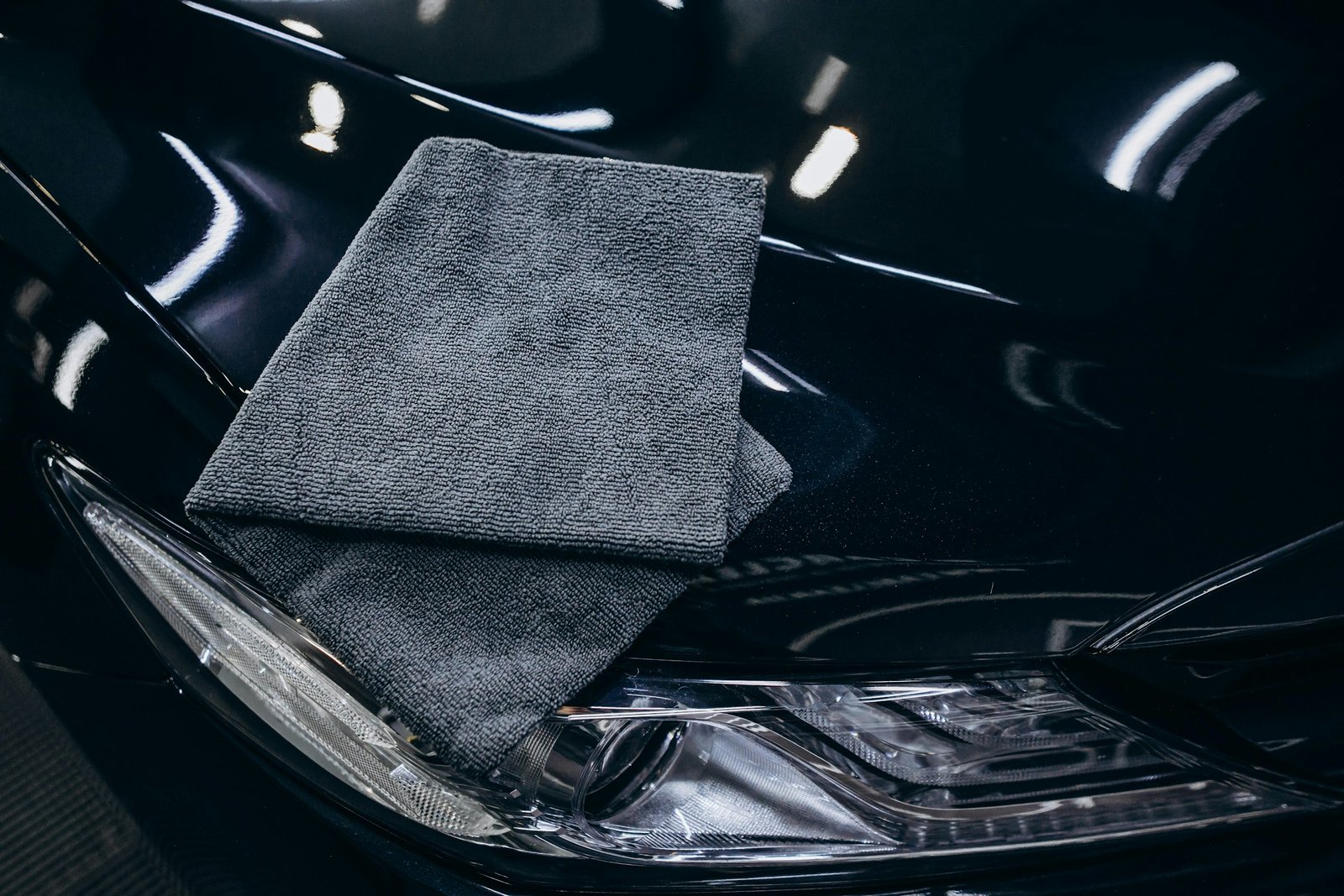
Not by default — only if it’s done properly. A hand wash with a dirty rag, reused wash water, or a sponge that’s already picked up grit can scratch paint just as easily as a bad automatic wash. What actually makes hand washing safe is the process: clean microfiber towels used once per panel, fresh water, pH-neutral shampoo, and no shortcuts. That’s the standard professional detailers work to, and it’s the reason a proper hand wash is generally considered the gentlest option for a car’s paint — not because it’s done by hand, but because of how much control it gives over contact and pressure.
The real trade-off: speed vs. attention
Woqod’s strength is speed and convenience — you’re in and out in minutes, often while getting other car maintenance done at the same time. A mobile hand wash trades that speed for attention: one car at a time, fresh microfibre per panel, no queue, and it happens at your home or office instead of you driving to a station. Neither is objectively “better” — it depends on whether you’re optimising for time or for how carefully your paint is handled, especially on a newer or higher-end vehicle where swirl marks are more visible on dark colours.
What to check either way
Whether you stick with a station wash or switch to mobile detailing, a few things are worth confirming: for automatic washes, ask if touchless mode is available and how often the brushes are cleaned; for hand washes (ours included), a legitimate provider uses a fresh microfibre per panel, doesn’t reuse the same bucket of water on multiple cars, and uses a pH-neutral shampoo rather than dish soap or degreaser, which can strip wax and dry out trim over time.
This article reflects general, widely documented facts about automatic vs. hand car washing. It isn’t a claim about the specific equipment used at any individual Woqod location — that can vary by station.
See our full pricing guide for exact QAR amounts by vehicle type, or find mobile wash coverage in Doha, Lusail, and Al Rayyan.